Insights, updates, and best practices for aviation technology transformation.
Showing 14 of 14 posts
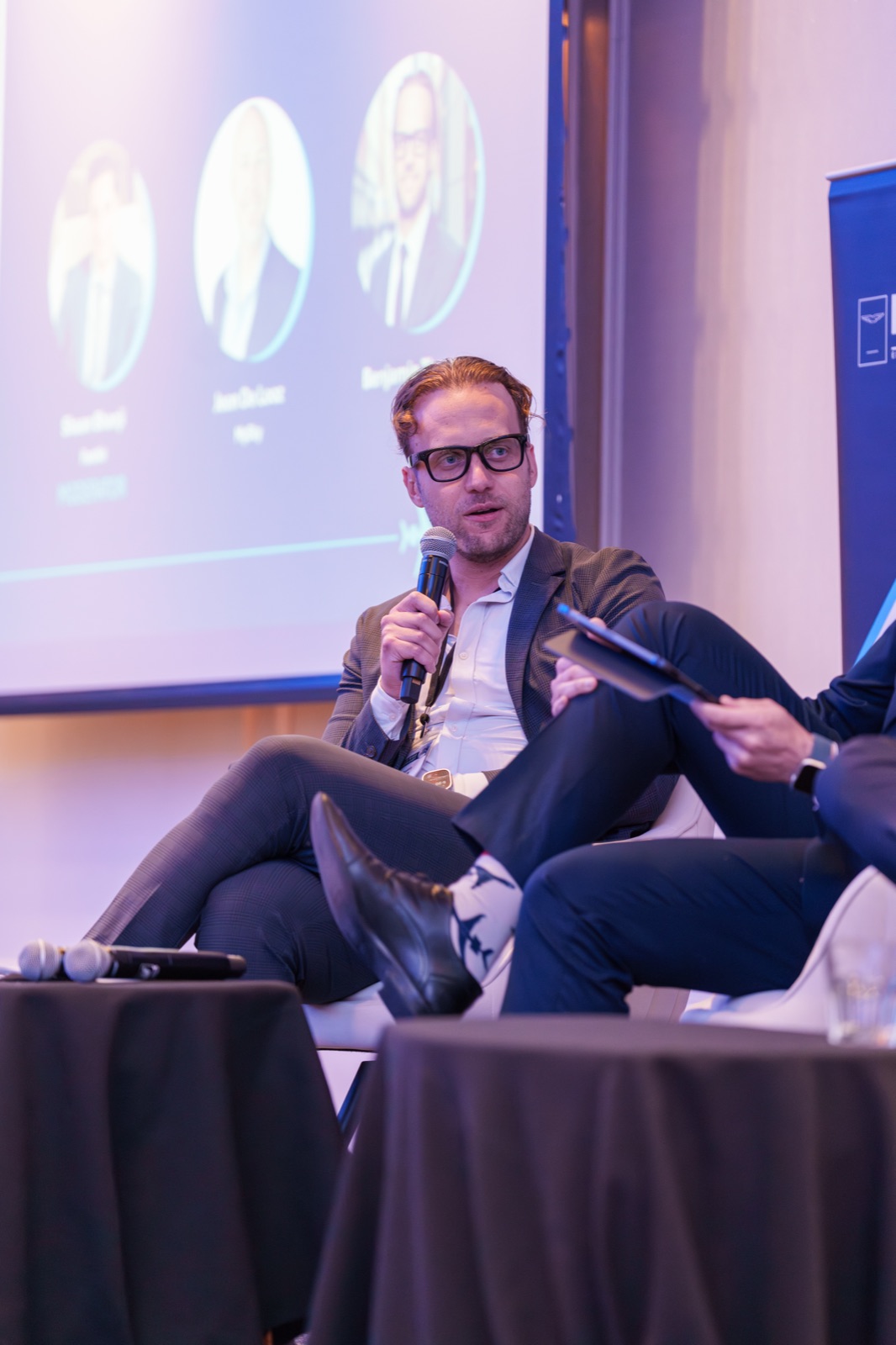
We joined the "Digital Transformation in Business Aviation: Where Do We Stand?" panel at the Elite Wings Aviation Summit in Montreal, days after the CBAA Innovation Stage in Calgary. Here is where we said the industry actually stands, and the one gap we kept coming back to: the distance between buying a tool and the tool actually working.
We took the CBAA Innovation Stage in Calgary with one argument: the average operator is renting more software than it has ever counted, every line of it is rent forever, and AI just made building your own a real option for the first time in thirty years. Here is the whole thing.
I set out to build a chatbot. What I actually built was the foundation for a voice AI system, because the current AI answering service market is kind of crappy.
The software industry is worth $300 billion, built on the assumption that writing code is hard. That assumption no longer holds, and the Technalyst is the reason.
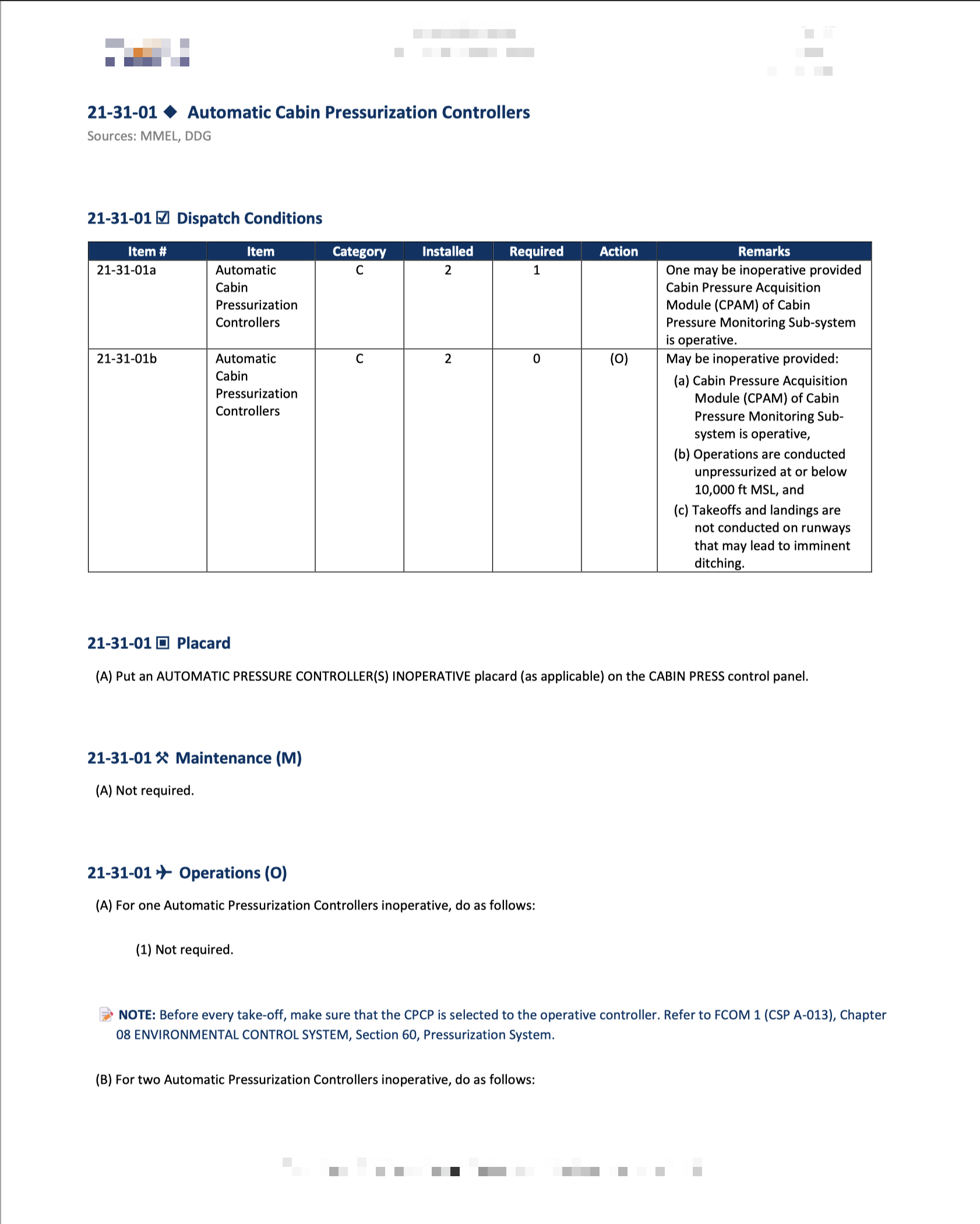
Our AI-generated MEL got Transport Canada approval after two rounds of feedback. This automates one of aviation's most tedious documentation processes.
I've walked into enough charter operations to know what I'm going to find before I even sit down. Five different systems that don't talk to each other. A dispatch coordinator who's basically become a human API.
Flat-fee aviation software locks customers into a fixed cost no matter how much they use it. Revenue-share models take a bigger cut as a company grows, which ends up penalizing success. There's a third option: open source the software and charge for services instead. That's the approach we're taking at ForIT, starting with SMS and Crew Records.
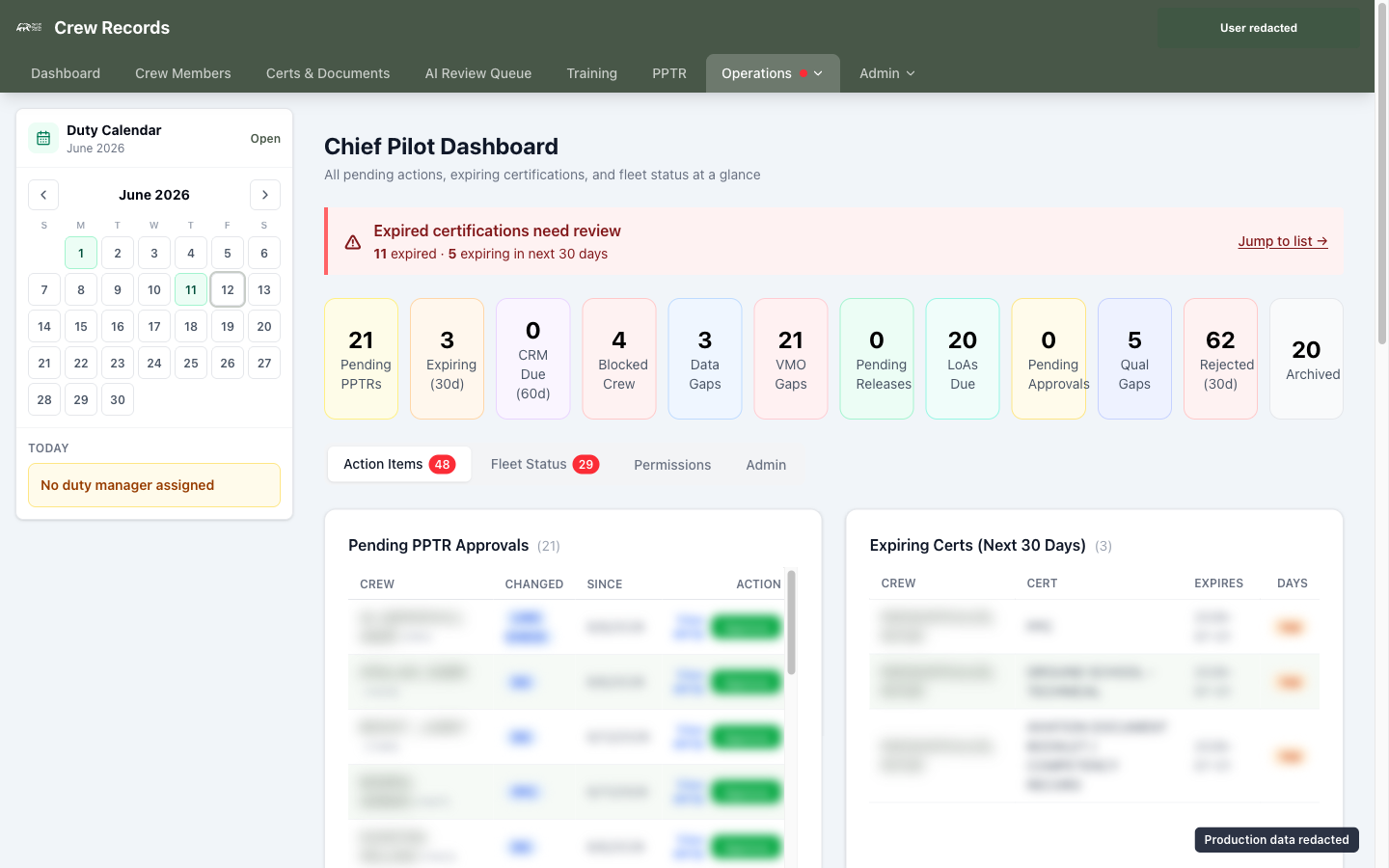
Keeping crew records current at a Transport Canada regulated scheduled airline used to take up dispatch, the chief pilot and the lead flight attendant for about 40 hours a month of manual entry between them. Now the system handles the reading and cross-checking, and those same people spend 10 to 20 minutes a week reviewing and approving.
ForIT joined Ramp's partner program, but the card was never the point. What matters is wiring spend straight into the ledger an operator actually closes its books in, whether that's Microsoft Dynamics 365 Business Central or QuickBooks.
One Mac Mini. A pile of Claude Code instances. Ten lifecycle hooks that catch problems before they spread. This is how ForIT actually runs: the real setup, not the marketing version.
Full disclosure: I'm the CIO at Great North Airlines. So when I say 'we built this website,' I mean I stayed up way too late convincing Claude to write better TypeScript.
WM Aviation came to me with a problem that makes me laugh every time I think about it: their Microsoft Power Pages site was garbage. This is a Microsoft Partner we're talking about.
ForIT uses AI-assisted development to build aviation software faster and cheaper. Here's what that actually means.
We're excited to launch our new blog where we'll share insights about aviation technology, digital transformation, and industry best practices.
Your cart is empty